

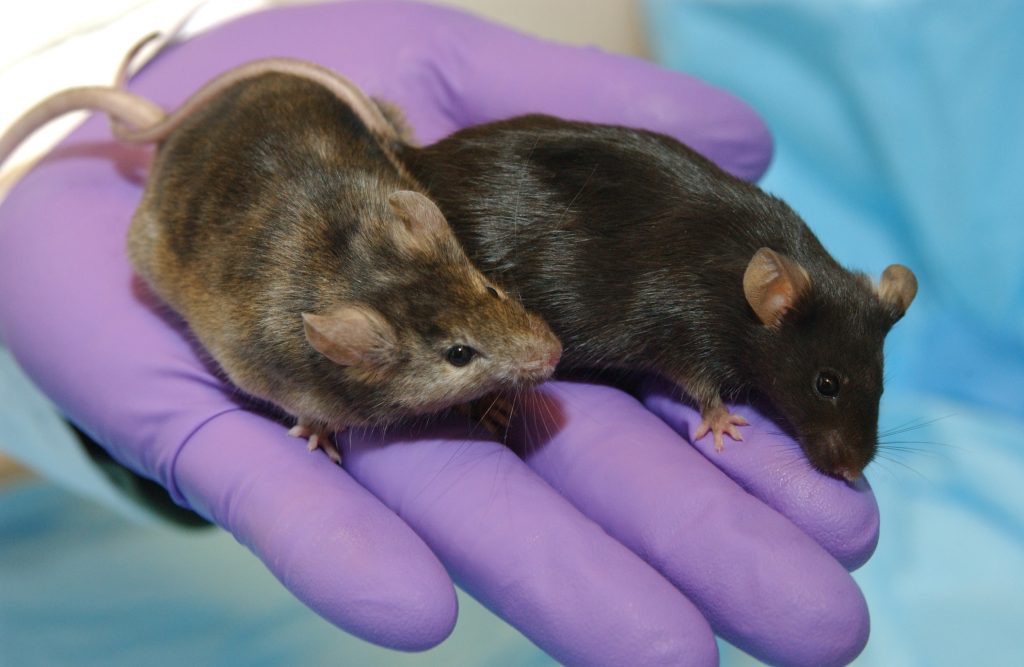
Genotyping of transgenic mouse models
Transgenic mice are mouse models which have their genomes altered through gene editing to include a foreign gene sequence, or transgene, and they are widely used in understanding human diseases, accelerating drug development, and evaluating potential therapies.
The use of transgenic mouse models can avoid undesired immune responses and help in understanding the significance of specific human drug-metabolizing enzymes in drug clearance and pharmacokinetics, and in predicting potential drug-drug interactions and chemical toxicity in humans. These models help understand the significance of a specific enzyme in drug metabolism, drug interactions, pharmacokinetics, dynamics and chemical toxicity.
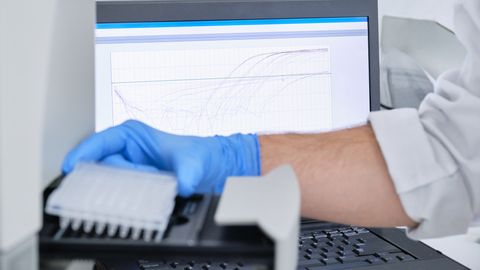
Quantitative RT-PCR
Reverse transcription polymerase chain reaction is where the starting genetic material in the process is RNA and RNA is first transcribed in reverse into its DNA complement by the reverse transcriptase enzyme.
RT-PCR is used for viral drug sensitivity testing for slow-growing viruses that do not readily produce cytopathic effect, and they provides a rapid, comprehensive overview of how cells respond to new potential drugs.
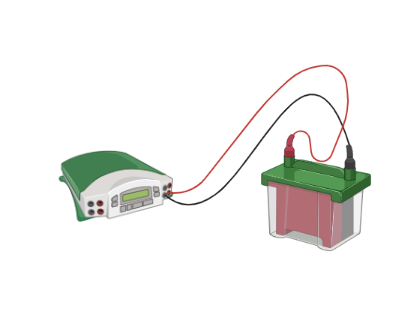
Western Blot
Western blot separates proteins by size and shape with an electric field applied to a gel, and then targeted proteins are stained with antibodies. It can be used to monitor protein levels, post-translational modifications, and to understand the mechanism of action for drugs.
Also, Western blots can be used to observe changes in proteins related to neurotransmitters and receptors related to drugs’ mechanism.
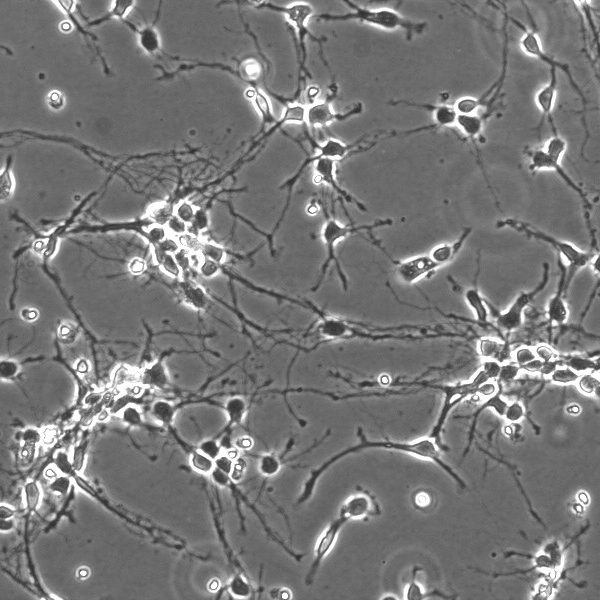
Rodent Primary Neurons and Glia Culture
Primary neuronal or glial cultures derived from wild-type or genetically engineered rodents are a tool to study the mechanism of action and potential toxicity of compounds. Primary neurons also allow scientists to evaluate the effects of pharmaceutical agents. They are widely used to study the biological functions of microglia in vitro, hence the interactions between microglia and other brain cells.
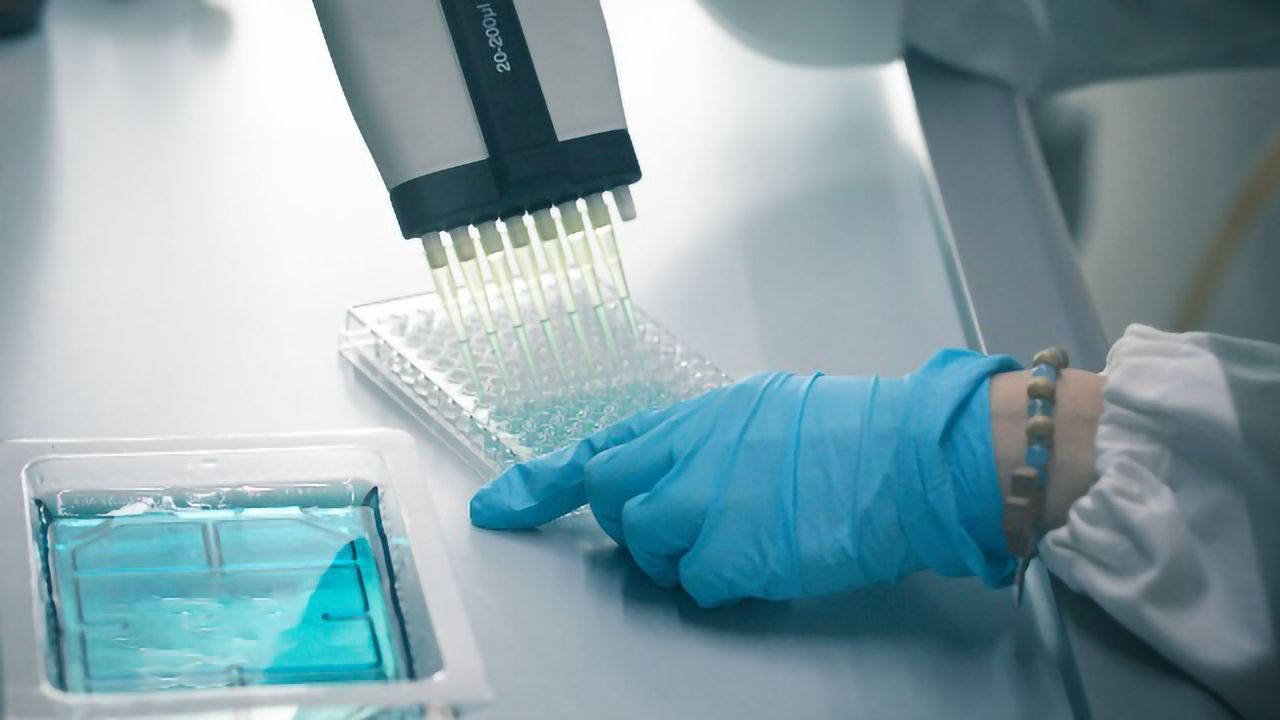
Enzyme-linked Immunosorbent Assay (ELISA)
Enzyme-linked immunosorbent assay (ELISA) screening techniques can be used for antibody drug development studies. ELISAs are competitive-binding assays in which an enzyme-linked drug competes with an unlabeled drug for binding to an anti-drug antibody.
ELISAs can specifically target a wide range of analytes using many different types of samples, and offer greater efficacy both in terms of cost and speed in real-world applications. They are a reliable and simple solution for drug testing.